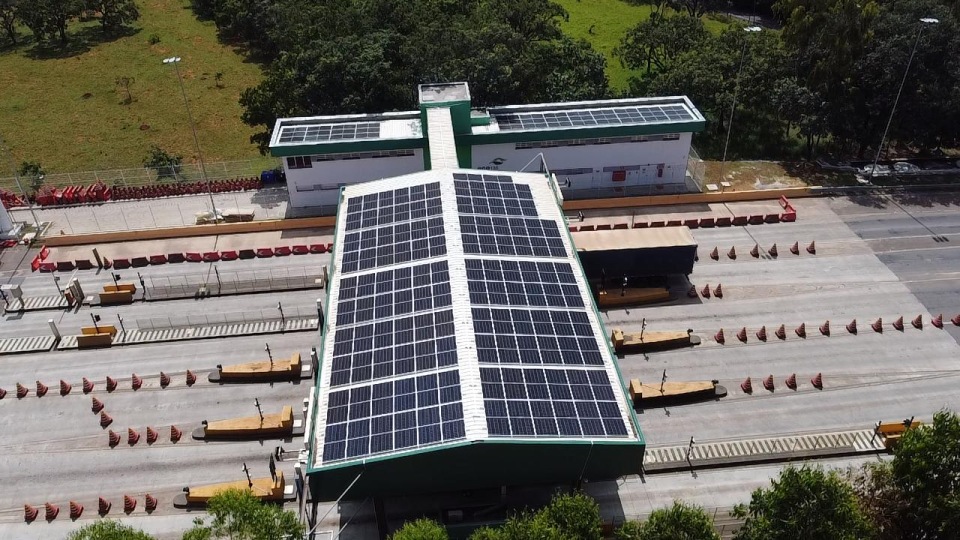
EcoRodovias is committed to ensuring the integrated and standardized management of environmental impacts generated by the operation of the highways under its administration. In order to promote the most efficient use of natural resources, we are focused on ensuring future alignment with best practices and full compliance with legislation.
Within the framework of the 2030 ESG Agenda, we are committed to advancing the circular economy, promoting the reuse and recycling of waste, and strategically executing investments in biodiversity
planted or preserved since 1999
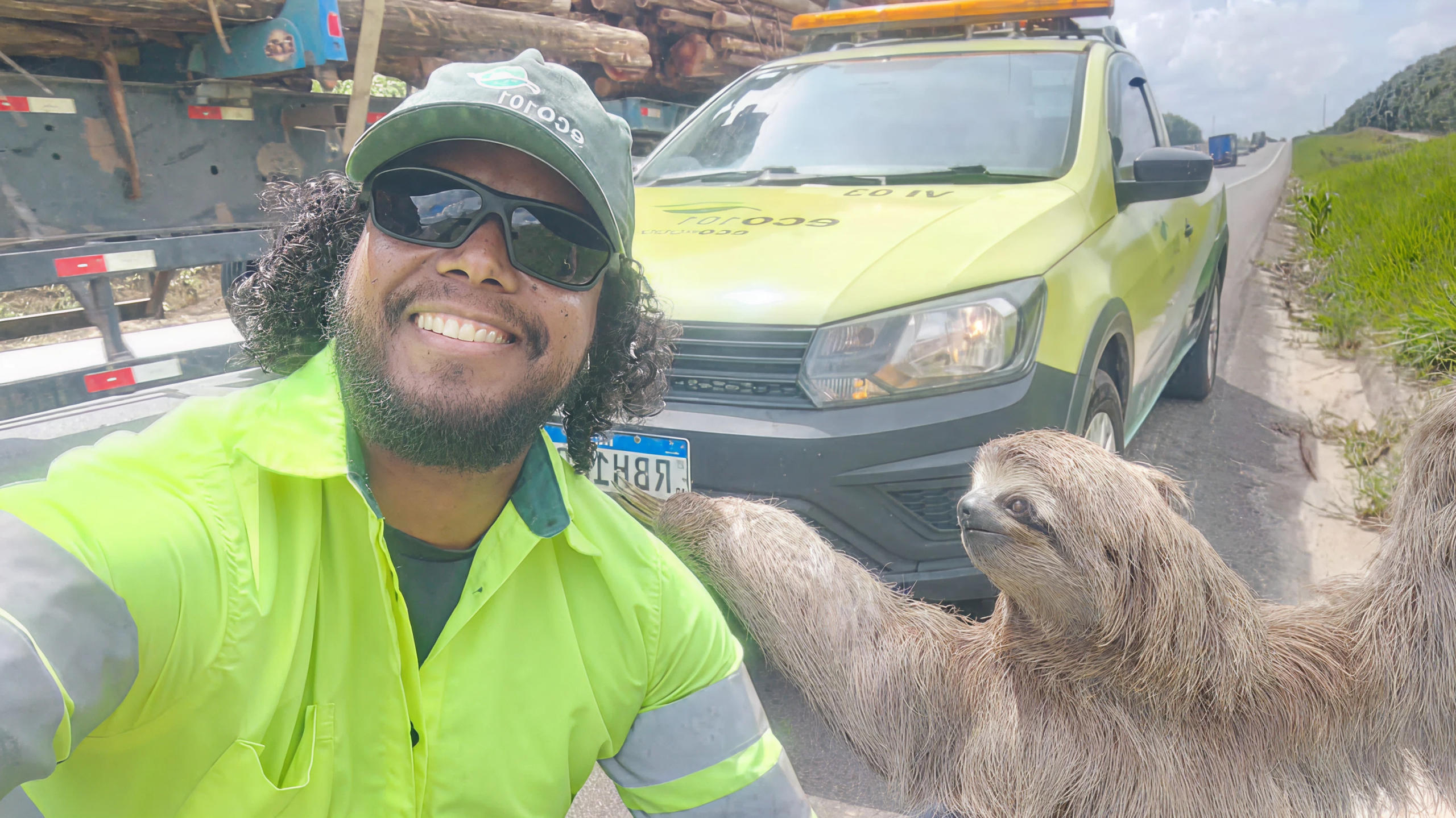
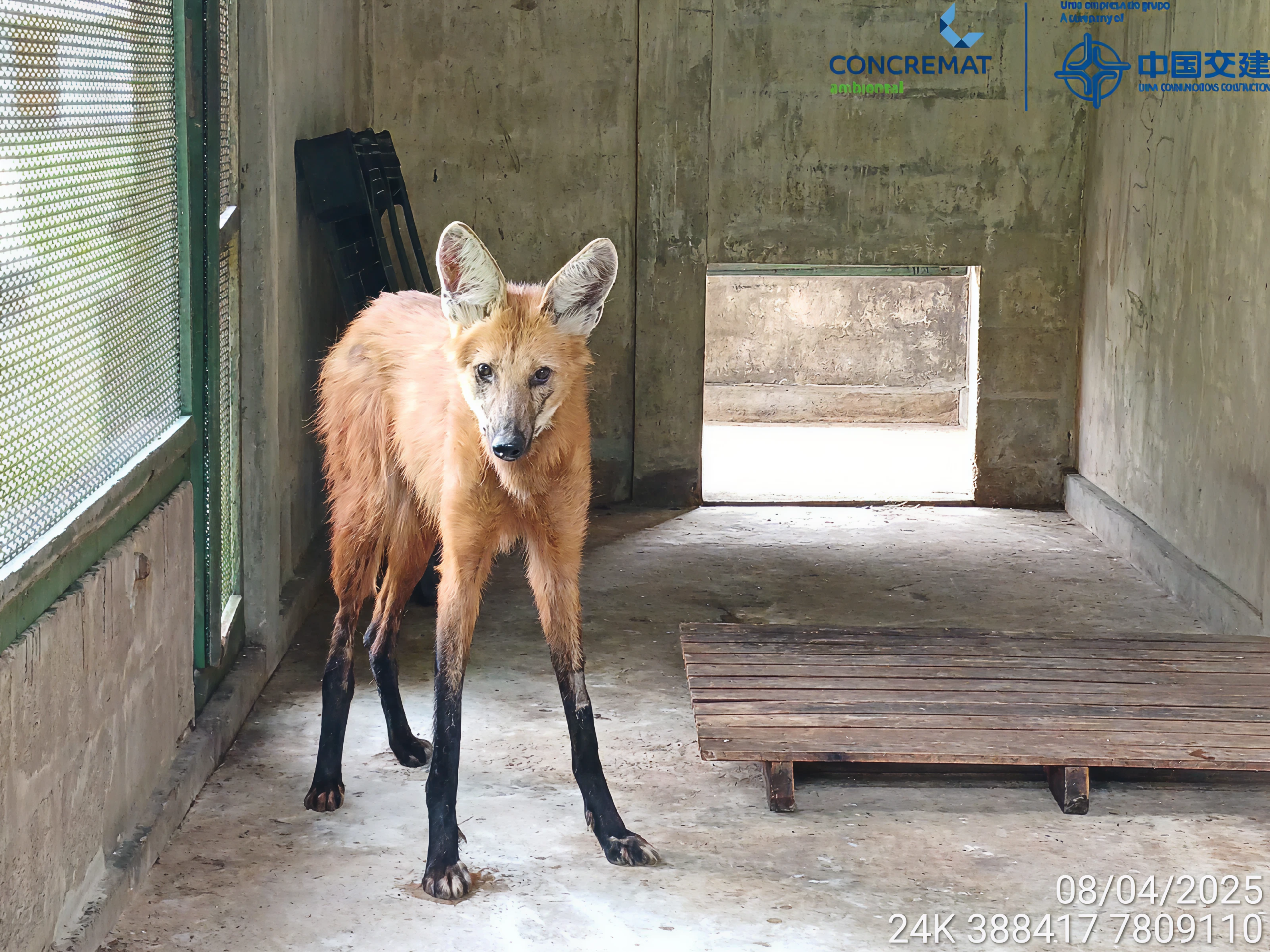
We created the EcoRodovias Group Biodiversity Conservation Plan to serve as a benchmark for the industry. It is a replicable methodology that links forest conservation and restoration, climate mitigation, and the impact of wildlife with social engagement. Our goal is to protect species in environmentally sensitive areas by investing in initiatives that benefit fauna, flora, and local communities.

Circular Economy
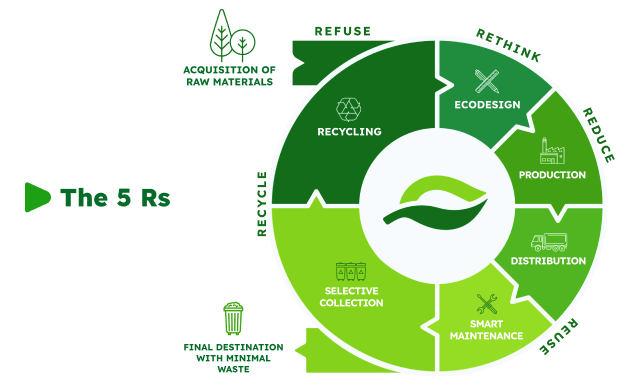
It is a sustainable model of production and consumption that aims to extend the lifecycle of products through practices such as refusing, rethinking, reducing, reusing, and recycling. The primary objective is to minimize waste by keeping materials in use for as long as possible, while also creating greater value and, as a result, reducing environmental impacts.
Ecovias Leste Paulista is the first zero waste highway concession in Brazil
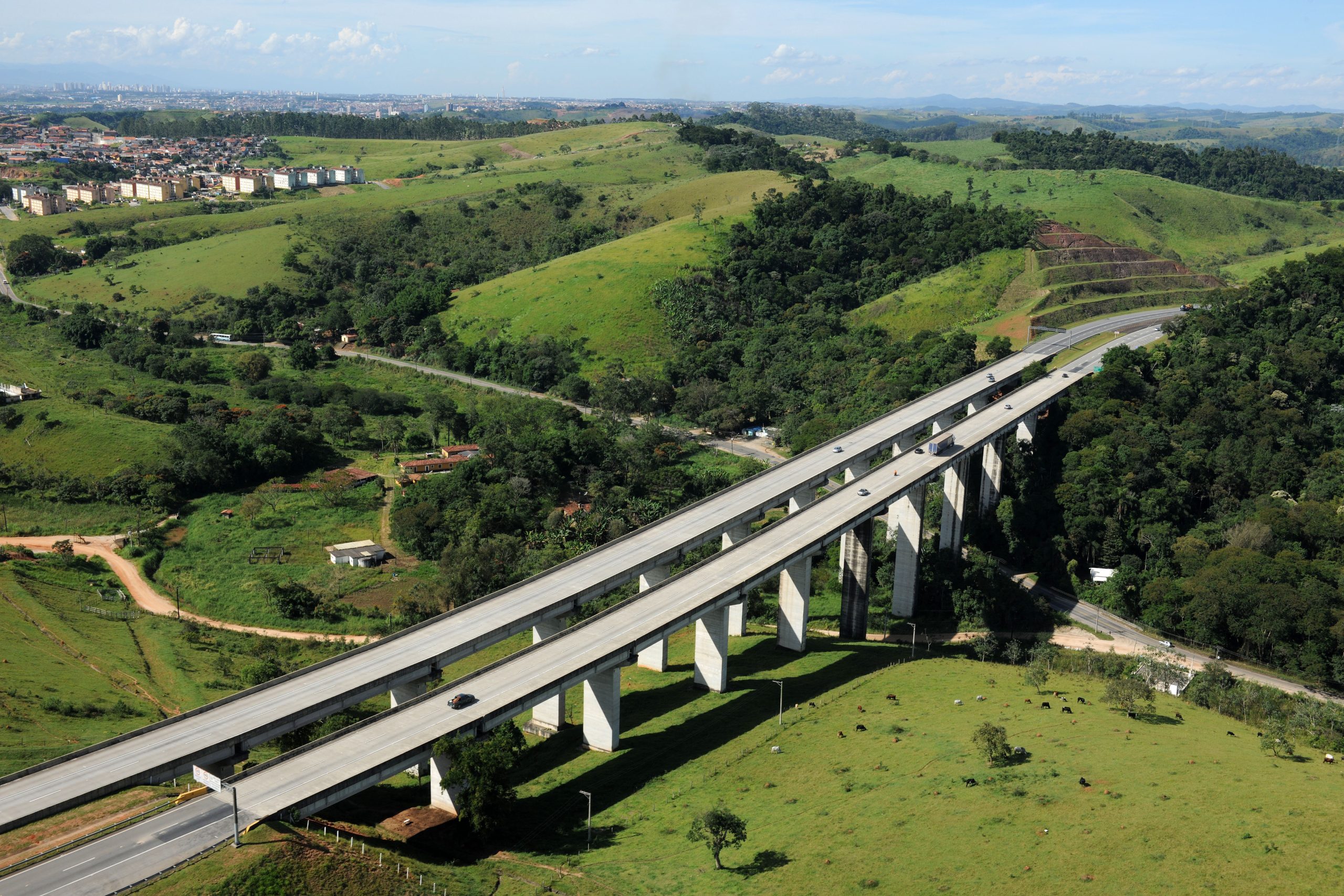
The Zero Waste program establishes a management plan to ensure the composting of organic waste and the recycling or reuse of all other materials generated by operational activities—including discarded uniforms, tarps, and other items. This means that, once implemented, waste is no longer sent to sanitary landfills but is instead returned to the value chain, for example as Refuse-Derived Fuel (RDF).


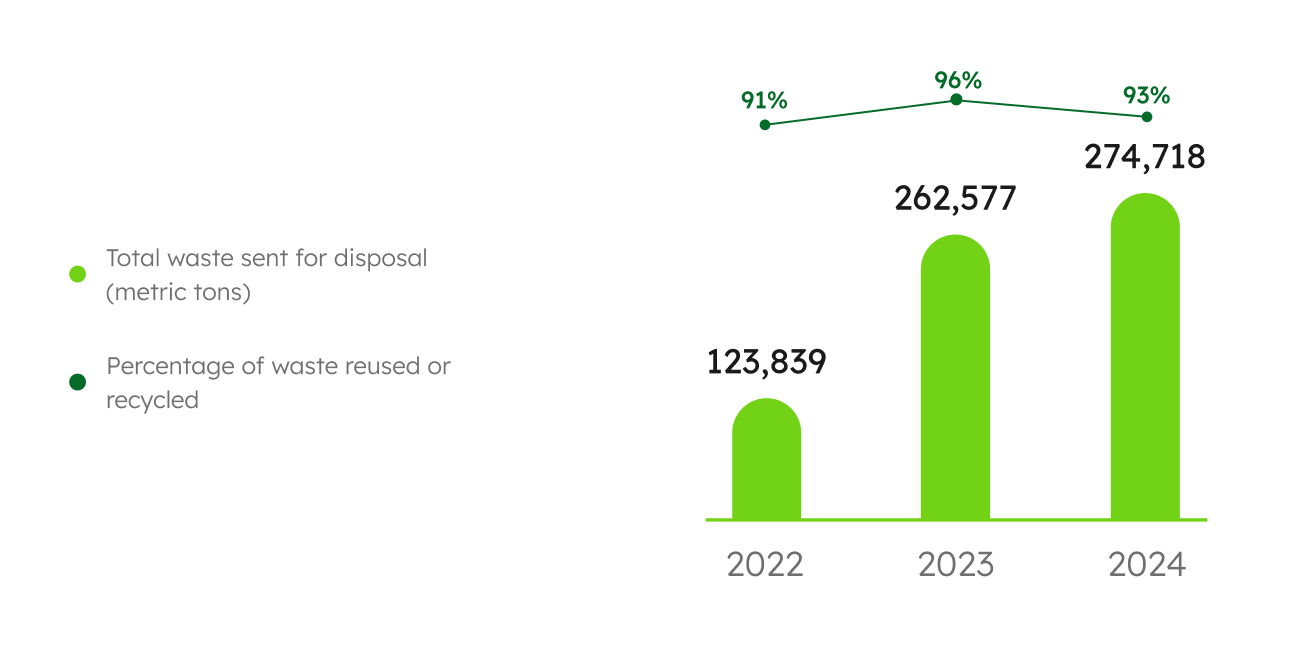
Driven by the goals and commitments of the 2030 ESG Agenda, which aims to achieve 95% reuse or recycling rate for waste, we have consolidated our Waste Management Plan (PGRS) in 2024. Initiatives such as the implementation of the Zero Waste program, the automation of waste management, training sessions with employees, as well as the involvement of third-party companies and awareness-raising efforts for highway users, represent an important milestone in our journey toward making our circular economy strategy a reality. Based on an assessment of the practices already implemented by the concessions under administration, the document sets out corporate guidelines and standardizes procedures for controlling the generation, storage, and disposal of various types of waste.
See the chart below for the volume of waste generated by the EcoRodovias Group and the proportion already reused: